Can Cancer Treatment Cause Lymphedema?
Cancer treatment saves lives. But sometimes, even after successful therapy, patients may experience long-term side effects. One such condition is lymphedema — a chronic swelling that usually affects the arms or legs.
If you or your loved one has undergone cancer treatment, understanding this condition can help in early detection and proper management.
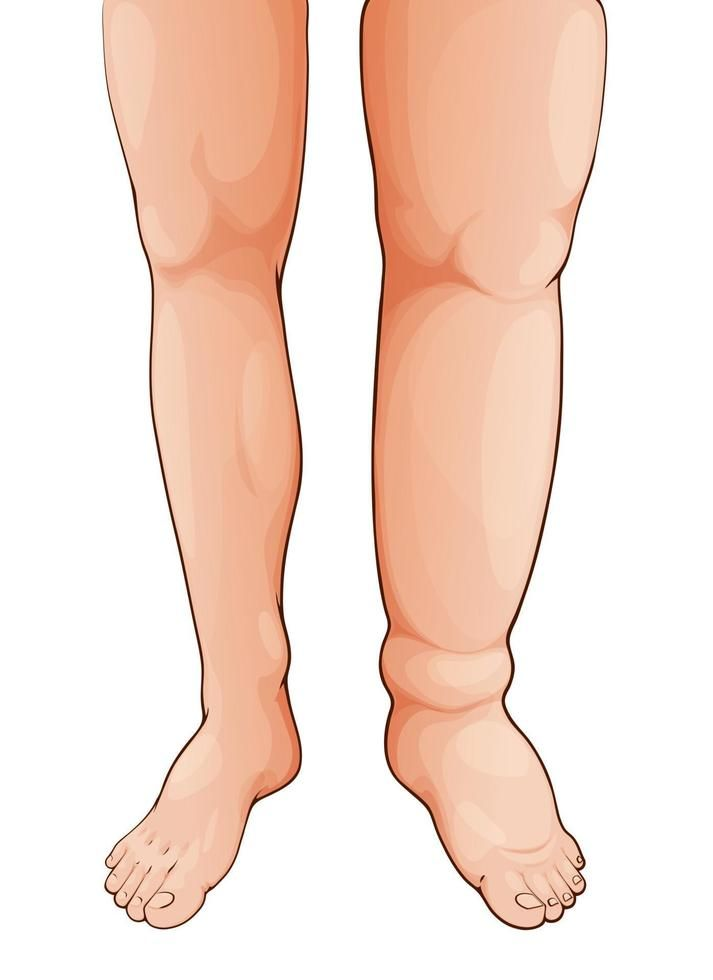
What Is Lymphedema?
Lymphedema is swelling caused by a blockage or damage in the lymphatic system. The lymphatic system is responsible for draining excess fluid and fighting infections.
When lymph nodes or vessels are damaged or removed during cancer treatment, lymph fluid cannot drain properly. This leads to fluid accumulation and visible swelling.
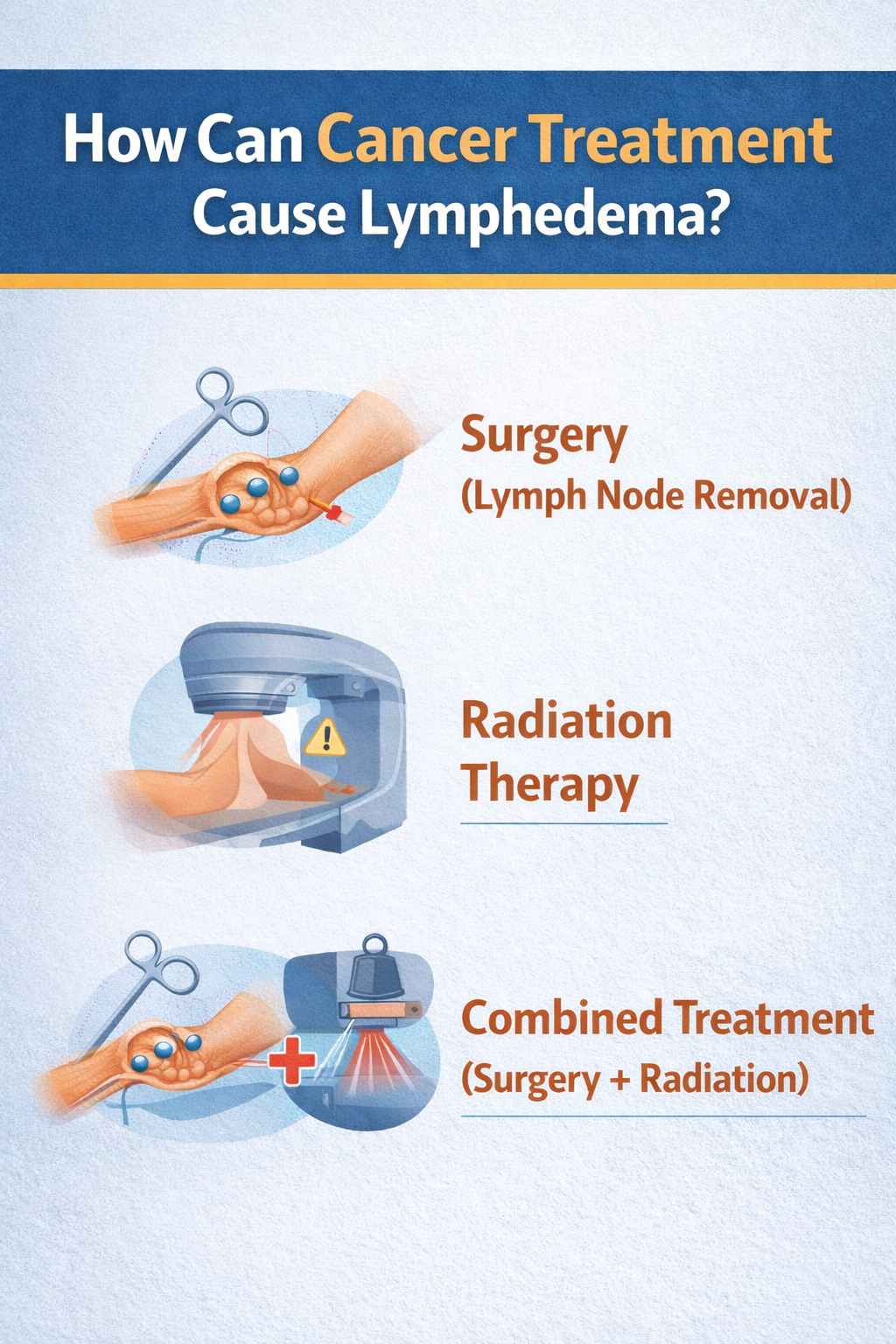
How Can Cancer Treatment Cause Lymphedema?
Several cancer treatments can affect the lymphatic system:
1. Surgery (Lymph Node Removal)
During cancer surgery, especially for:
Doctors may remove nearby lymph nodes to check if cancer has spread. This procedure is known as lymph node dissection.
When multiple lymph nodes are removed, the normal drainage pathway of lymph fluid is disrupted, increasing the risk of lymphedema.
For example, after breast cancer surgery, swelling may occur in the arm on the same side.
2. Radiation Therapy
Radiation therapy can damage lymph nodes and surrounding tissues. Radiation may cause:
Even if lymph nodes are not removed, radiation alone can increase the risk of swelling.
3. Combined Treatment (Surgery + Radiation)
The risk is higher when both lymph node removal and radiation therapy are used together. The lymphatic system may not recover fully, leading to chronic fluid buildup.
Which Cancers Commonly Lead to Lymphedema?
Lymphedema is most commonly seen after treatment for:
However, it can occur after treatment for any cancer involving lymph node removal or radiation near lymphatic pathways.
When Does Lymphedema Develop?
Lymphedema can appear:
This is why long-term follow-up is important.
Early Symptoms You Should Not Ignore
Early detection makes a big difference. Watch for:
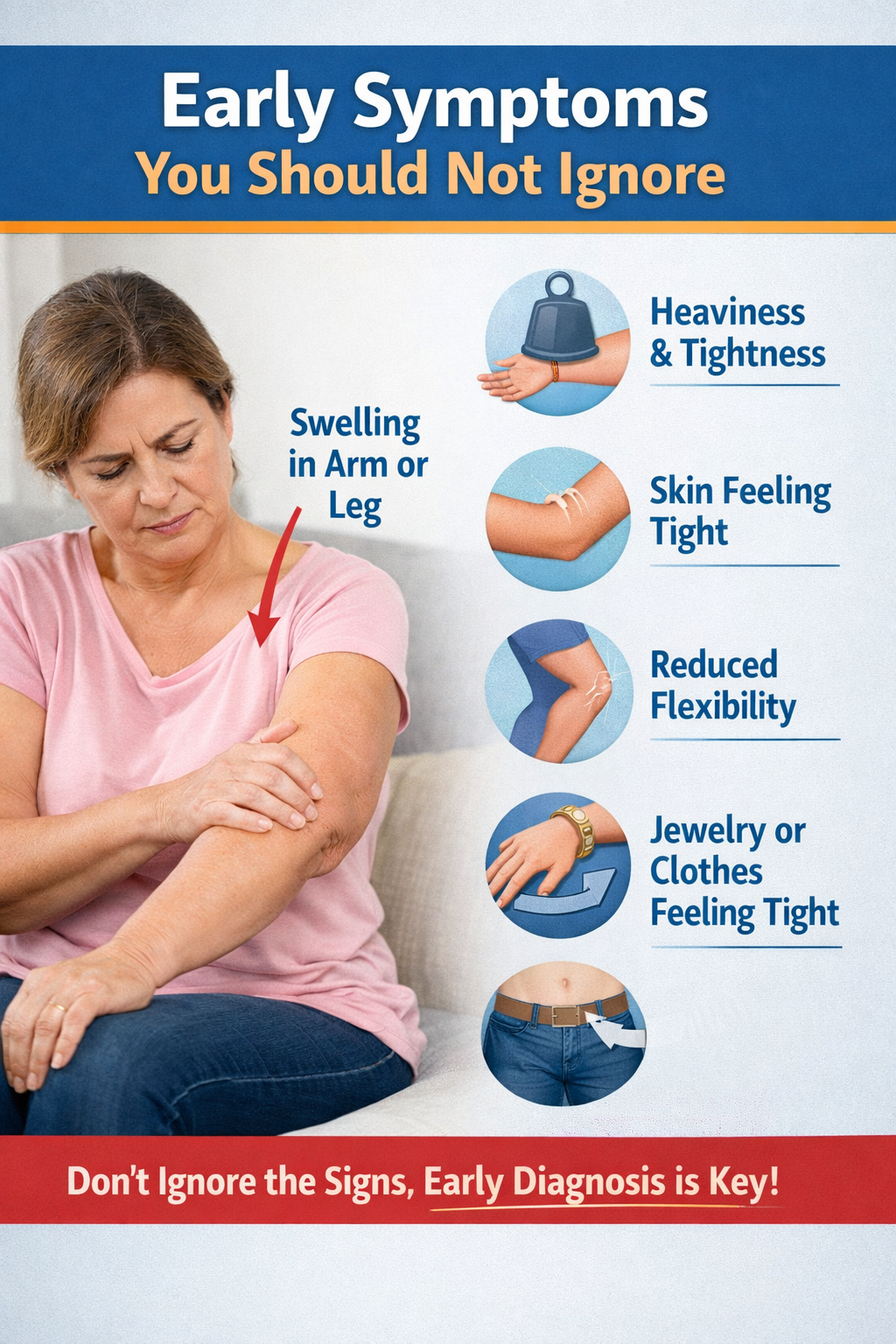
If untreated, lymphedema can progress to severe swelling, skin thickening, and repeated infections.
Is Lymphedema Permanent?
Lymphedema is a chronic condition, but it can be effectively managed if detected early. With proper care, patients can live comfortably and prevent complications.
How Is Lymphedema Managed?
Treatment focuses on improving lymph drainage and preventing progression:
Early intervention provides better results than late-stage treatment.
Can Lymphedema Be Prevented?
While not always preventable, risk can be reduced by:
Cancer survivorship includes monitoring for complications like lymphedema.
Final Thoughts
Cancer treatment is life-saving, but it may affect the lymphatic system. Awareness about lymphedema empowers patients to seek timely care.
If you notice swelling after cancer surgery or radiation, do not ignore it. Early diagnosis can prevent long-term disability.
About Bankers Vascular Hospital
At Bankers Vascular Hospital, we specialize in advanced vascular and lymphatic care. Our expert team provides:
If you or your loved one is experiencing swelling after cancer treatment, our specialists are here to help you regain comfort, confidence, and quality of life.
Bankers Vascular Hospital – Advanced Care. Compassionate Healing.


Comments
Post a Comment