LYMPHEDEMA
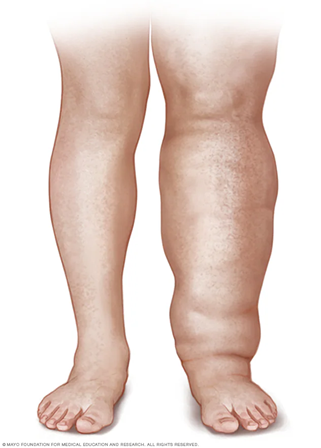
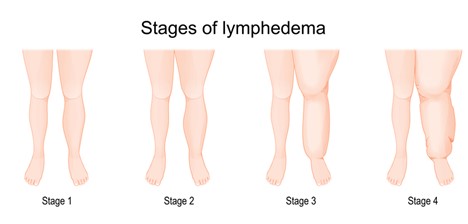
Lymphedema is a chronic disease marked by the increased collection oflymphatic fluid in the body causing swelling due to compromised lymphaticsystem. Which can lead to skin and tissue changes.
· The chronic, progressive accumulation of protein-rich fluidwithin the interstitium and the fibro-adipose tissue exceeds the capacity ofthe lymphatic system to transport the fluid
Severe cases of lymphedemacan affect the ability to move the affected limb, increase the risks of skininfections and sepsis, and can lead to skin changes and breakdown. Treatmentmay include compression bandages, massage, compression stockings, sequential
pneumatic pumping, carefulskin care and, rarely, surgery to remove swollen tissue or to create newdrainage routes.
Symptoms
Lymphedemasigns and symptoms include:
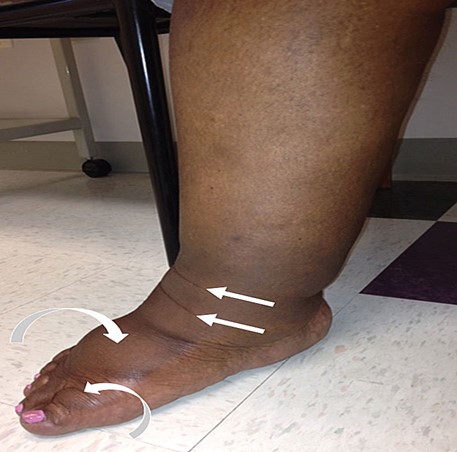
· Swelling of part or all of the arm or leg, includingfingers or toes
· A feeling of heaviness or tightness
· Restricted range of motion
· Recurring infections
· Hardening and thickening of the skin (fibrosis)
Causes
Thelymphatic system is a network of vessels that carry protein-rich lymph fluidthroughout the body. It's part of your immune system. Lymph nodes act asfilters and contain cells that fight infection and cancer.
Thelymph fluid is pushed through the lymph vessels by muscle contractions as youmove through the tasks of your day and small pumps in the wall of the lymphvessels. Lymphedema occurs when the lymph vessels are not able to adequatelydrain lymph fluid, usually from an arm or leg.
Themost common causes of lymphedema include:
· Cancer. Ifcancer cells block lymph vessels, lymphedema may result. For instance, a tumorgrowing near a lymph node or lymph vessel could enlarge enough to block theflow of the lymph fluid.
· Radiation treatment for cancer. Radiationcan cause scarring and inflammation of lymph nodes or lymph vessels.
· Surgery. Incancer surgery, lymph nodes are often removed to see if the disease has spread.However, this doesn't always result in lymphedema.
· Parasites. Indeveloping countries in the tropics, the most common cause of lymphedema isinfection with threadlike worms that clog the lymph nodes.
Treatment at Bankers vascular Hospital
Medications
Lymphedema greatly increasesthe risk of skin infections (cellulitis). Your doctor may prescribe antibioticsfor you to keep on hand so that you can start taking them immediately oncesymptoms appear.
Therapy
Specialized lymphedematherapists can teach you about techniques and equipment that can help reducelymphedema swelling. Examples include:
o Exercises. Gentlecontraction of the muscles in the arm or leg can help move the excess fluid outof the swollen limb.
o Manual lymph drainage. Therapiststrained in this massage-like technique use very light pressure to move thetrapped fluid in the swollen limb toward an area with working lymph vessels.People should avoid manual lymph drainage if they have a skin infection, bloodclots or active cancer in the affected limb.
o Compression bandages. Usinglow-stretch bandages to wrap the entire limb encourages lymph fluid to flowback toward the trunk of the body.
o Compression garments. Close-fittingelastic sleeves or stockings can compress the arm or leg to encourage lymph fluiddrainage. These garments often require a prescription to ensure that the properamount of compression is used. You may need to be measured by a professional toensure proper fit.
o Sequential pneumatic compression. Asleeve worn over the affected arm or leg connects to a pump that intermittentlyinflates the sleeve, putting pressure on the limb and moving lymph fluid awayfrom the fingers or toes.


Comments
Post a Comment