🩸Longterm Deficiency of Vitamin B12 & Vitamin D3: Their Role in Blood Clots (VTE)
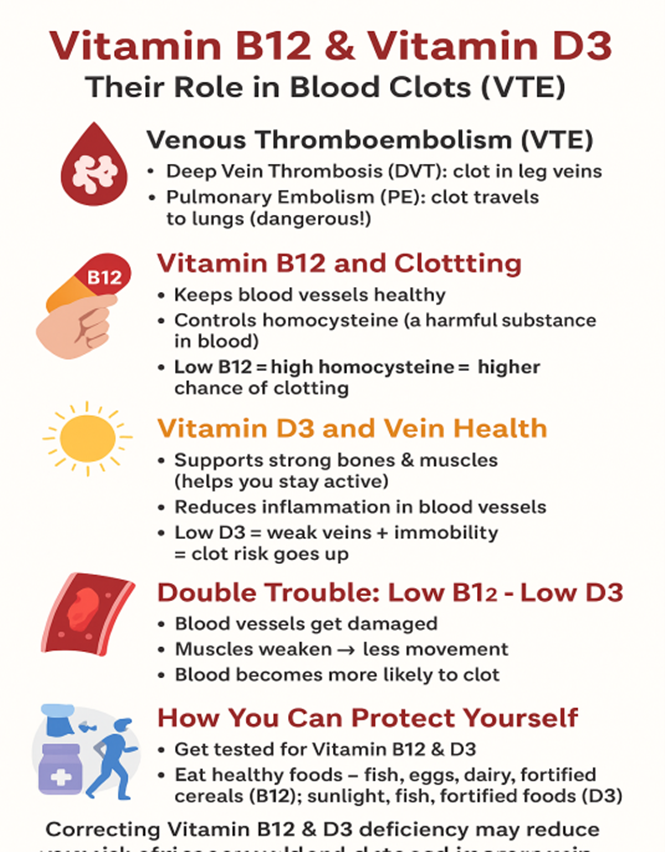
Venous Thromboembolism (VTE)
means blood clots in the veins.
· Deep VeinThrombosis (DVT): clot in legveins
· Pulmonary Embolism(PE): clot travels to lungs (dangerous!)
Most people know risk factors like sitting toolong, surgery, or obesity. But did you know 👉 VitaminB12 and Vitamin D3 deficiency can also increase clot risk?

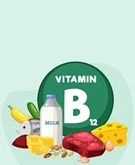
🔹 Vitamin B12 and Clotting
· Keeps blood vesselshealthy.
· Controls homocysteine (aharmful substance in blood).
· Low B12 = highhomocysteine = higher chance of clotting.
🔹 Vitamin D3 and Vein Health
· Supports strongbones & muscles (helps you stay active).
· Reducesinflammation in blood vessels.
· Low D3 = weak veins+ immobility = clot risk goes up.

🔹 Double Trouble: Low B12 + Low D3
When both are low, the risk is higher because:
✅ Blood vessels get damaged.
✅ Muscles weaken → less movement.
✅ Blood becomes more likely toclot.
Common symptoms:
· Swelling in one leg (sometimesboth)
· Pain or heaviness in the calfor thigh
· Warmth, redness, or tendernessalong the vein
· Night cramps or pain whilewalking
⚠️ Complication: If part of the clotbreaks and travels to the lungs, it causes Pulmonary Embolism (PE)— a life-threatening emergency.
🔹 How You Can Protect Yourself
✔️ Get tested for Vitamin B12 & D3.
✔️ Eat healthy foods – fish, eggs, dairy, fortified cereals (B12); sunlight, fish,fortified foods (D3).
✔️ Take supplements if prescribed by your doctor.
✔️ Stay active &hydrated – avoid sitting or lying for long hours.
🛑Who Should Be More Careful?
· Long travel (bus/train/airplanejourneys)
· Women using contraceptive pillsor hormone therapy
· People with obesity or sedentarylifestyle
· Bedridden or post-surgerypatients
· Patients with varicose veins,diabetes, or high BP
· Smokers and alcohol users
💡 Key Message
Correcting Vitamin B12 & D3 deficiencymay reduce your risk of dangerous blood clots and improve veinhealth.
At Bankers Vascular Hospital, werecommend routine vitamin checks for people with:
· Varicose veins (invaricose veins there are symptoms of muscular cramps, there might be no visibleveins but still there can be valve dysfunction with leads to varicose veins andif varicose veins left untreated it can lead to infectious ulcer or venousthromboembolism due to long term deficiency of vitamin b12 and vitamin d3)

· History of bloodclots (if you had history of blood clots then there are increased chance ofgetting DVT or VTE again)
· Unexplained tiredness
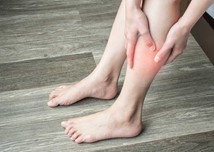
At BankersVascular Hospital, we provide specialized evaluation through sonography forvaricose veins to rule out the condition and understand the symptoms correctlyand treatment for leg symptoms, helping patients regain strength and mobility.
Experiencingleg heaviness or cramps? Visit BankersVascular Hospital for a complete evaluation of your vascular andnutritional health.”
👉 Healthy veins start with healthy vitamins.
❓ Frequently Asked Questions (FAQs)
Q1. Can taking Vitamin B12 and D3 tablets aloneprevent clots?
👉 No. They reduce risk but don’t replace other preventive measures likeexercise, hydration, and medical treatment. Supplements work best whendeficiency is confirmed.
Q2. Do varicose veins increase clot risk if I havelow vitamins?
👉 Yes. Varicose veins already slow blood flow. Combined with vitamindeficiency, the chances of clotting are even higher.
Q3. How do I know if I have B12 or D3 deficiency?
👉 Blood tests are the only reliable way. Symptoms like fatigue, legcramps, mood changes, and bone pain may give clues.
Q4. Can I get enough Vitamin D3 from sunlightalone?
👉 Not always. Pollution, sunscreen, and darker skin reduce Vitamin Dproduction. Many people still need supplements.
Q5. Is DVT only a problem for older people?
👉 No. DVT can affect young adults, especially if they have vitamindeficiencies, long travel, obesity, or use contraceptive pills.
Q6. If I already had one clot, do vitamins preventfuture clots?
👉 They may help reduce risk, but you still need medical follow-up,lifestyle changes, and sometimes long-term medication.


Comments
Post a Comment